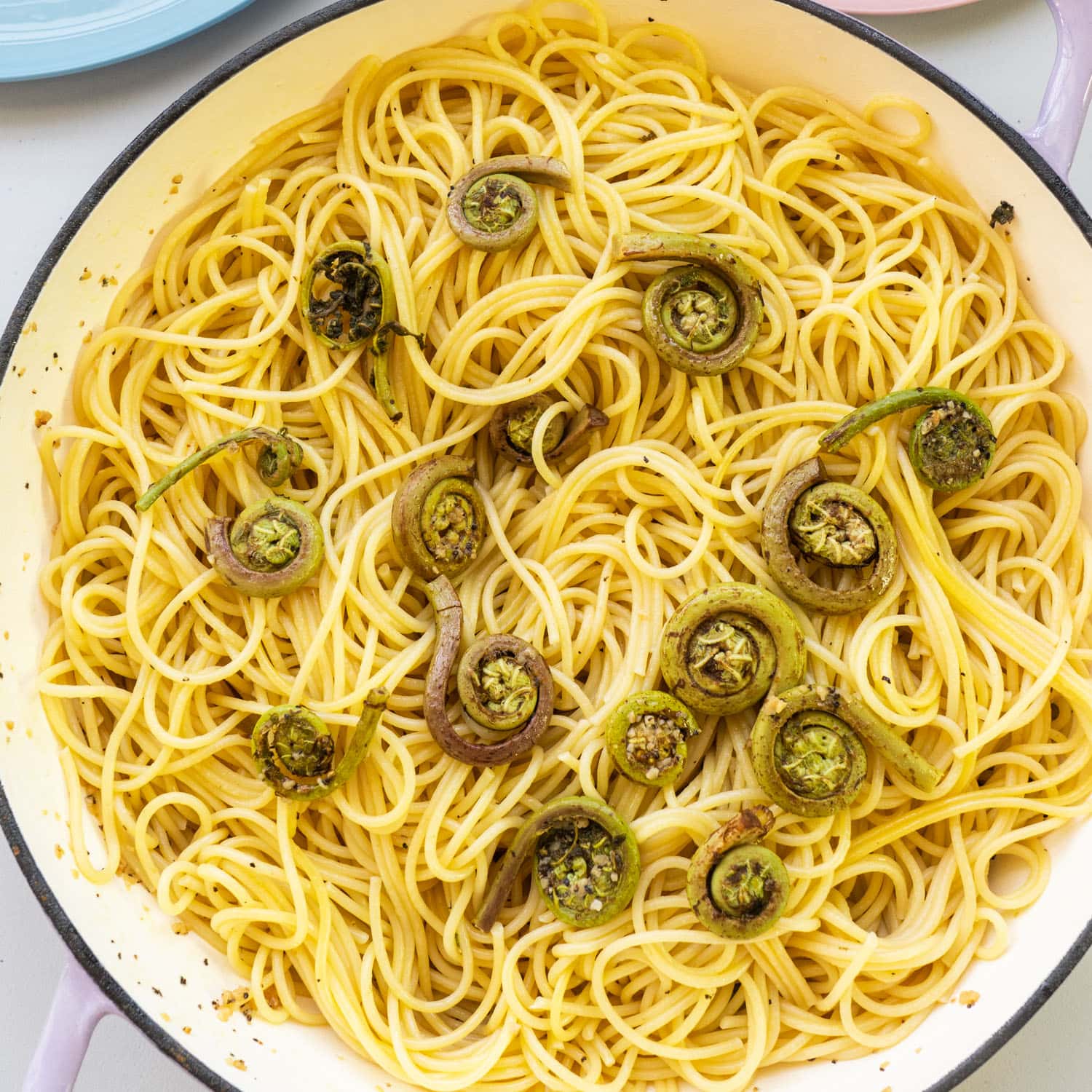
Unlocking Spring's Secret Gem: Your 30-Minute Lemon Garlic Fiddlehead Pasta Adventure
As the days grow longer and nature reawakens, so too does a fleeting culinary delight: the fiddlehead fern. These tightly coiled emerald treasures, reminiscent of a miniature, edible scroll, signal the true arrival of spring. For many, they remain a mysterious ingredient, perhaps spotted at a farmers' market but never quite making it to the dinner plate. But what if we told you that preparing a dish with these unique greens could be both incredibly safe, satisfyingly speedy, and utterly delicious? Get ready to transform your perception of seasonal cooking with our 30-minute Lemon Garlic Fiddlehead Pasta recipe, a vibrant celebration of spring that’s perfect even for first-timers.
If you appreciate the earthy crunch of green beans or the subtle bitterness of broccoli, then fiddleheads are destined to become your new favorite spring vegetable. Their flavor profile is often described as a delightful fusion of asparagus, spinach, and a hint of mushroom, culminating in a distinctive crisp umami taste when cooked just right. And no, you don't need to be a seasoned forager to enjoy them. Most local farmers' markets will proudly display them during their short spring season.
Why Fiddleheads? Taste, Texture, and the Magic of Spring
Fiddleheads are indeed underrated, a wild-foraged wonder that brings a unique texture and flavor to the table. Beyond their captivating appearance, their taste is truly singular. Imagine the tender-crisp bite of a perfectly cooked green bean, the earthy notes of a mushroom, and the fresh, slightly grassy hint of young asparagus all rolled into one. When sautéed with bright lemon and pungent garlic, they achieve a sublime balance that complements pasta beautifully. This particular recipe for lemon garlic fiddleheads and spaghetti showcases them at their best, allowing their natural flavor to shine through.
For those new to fiddleheads, the experience can be truly eye-opening. They offer a delightful textural contrast, maintaining a slight bite even after cooking, which prevents your pasta dish from becoming monotonous. This fleeting spring delicacy adds not just flavor but also a sense of adventure to your meal. You can learn more about making fiddleheads approachable for beginners in our article, Easy Lemon Garlic Fiddlehead Pasta: Your First-Time Spring Meal.
Essential Preparation: Safety First & Flavor Best
Before diving into the cooking process, proper preparation of fiddleheads is paramount, both for safety and for achieving that coveted crisp-tender texture. Let's demystify these steps:
Washing and Trimming: The First Step to Freshness
- Cleanliness is Key: Fiddleheads, whether wild-foraged or market-bought, often carry remnants of their natural habitat – dirt, debris, or even small critters. Place them under cool, running water and gently agitate them with your fingers to remove any impurities. Be gentle, as their delicate spirals can break easily under a strong stream. Since they'll be cooked in water, there's no need to dry them afterwards.
- Trim for Perfection: Fiddleheads consist of a tightly coiled spiral head and a straight stem. For this dish, we're primarily interested in the tender spirals and a short portion of the stem. On a cutting board, trim the stems, leaving only about 1/2 inch attached to the coil. The remaining stems can be composted or saved for another vegetable sauté if you wish, though they tend to be tougher.
The Non-Negotiable Step: Blanching for Safety and Flavor
This is arguably the most crucial step for anyone cooking fiddleheads. Fiddleheads should never be eaten raw. The reference context highlights that they contain a harmless but bitter compound called tannin, which can cause digestive upset if consumed uncooked. Blanching achieves two vital goals:
- Safety: It ensures the fiddleheads are safe to eat by neutralizing these compounds.
- Flavor & Texture: It removes any potential bitterness, allowing their sweet, grassy notes to emerge, and pre-tenderizes them to that perfect crisp-tender bite without turning them mushy.
To blanch, simply bring a pot of salted water to a rolling boil. Add your washed and trimmed fiddleheads and boil them for a precise 2 minutes. Immediately drain and rinse under cold water to stop the cooking process, preserving their vibrant green color and delicate texture. This quick pre-cook ensures that your lemon garlic fiddleheads and spaghetti will be both delicious and perfectly safe. For more insights into achieving perfect fiddlehead texture, check out Fiddleheads Demystified: Crisp Lemon Garlic Pasta & Cooking Secrets.
Crafting Your 30-Minute Lemon Garlic Fiddlehead Pasta
With your fiddleheads prepped, the rest of this recipe comes together incredibly fast, living up to its "30-minute" promise. This recipe smartly combines the cooking of the pasta and the final tenderization of the fiddleheads, streamlining the process beautifully.
Ingredients You'll Need:
- 1 pound spaghetti (or your preferred pasta)
- 1 pound fresh fiddleheads, washed and trimmed
- 3-4 cloves garlic, minced
- 2 tablespoons olive oil
- 2 tablespoons unsalted butter
- Juice of 1 large lemon (about 3-4 tablespoons)
- Salt and freshly ground black pepper to taste
- ¼ cup reserved pasta water
- Optional: Grated Parmesan cheese, fresh parsley for garnish
Step-by-Step Cooking Instructions:
- Cook Pasta & Fiddleheads: Bring a large pot of generously salted water to a rolling boil. Add your spaghetti and, immediately after, add your prepared (washed and trimmed) fiddleheads. Cook according to pasta package directions until the spaghetti is al dente, typically around 8-10 minutes. The fiddleheads will finish cooking alongside the pasta, becoming perfectly tender-crisp. Before draining, scoop out about ¼ cup of the starchy pasta water and set it aside. Drain the spaghetti and fiddleheads thoroughly.
- Prepare the Lemon Garlic Sauce: While the pasta and fiddleheads are cooking, heat a large skillet or Dutch oven over medium heat. Add the olive oil and butter. Once the butter has melted, add the minced garlic and sauté for about 1 minute until fragrant, being careful not to let it brown.
- Combine & Finish: Add the cooked spaghetti and fiddleheads directly into the skillet with the garlic mixture. Pour in the lemon juice and the reserved pasta water. Toss everything together vigorously, ensuring the pasta and fiddleheads are thoroughly coated in the luscious lemon-garlic sauce. The pasta water helps create a silky emulsion that clings beautifully to every strand and coil.
- Season & Serve: Taste and adjust seasoning with salt and freshly ground black pepper as needed. Serve immediately onto individual plates. For an extra touch of richness and flavor, sprinkle with freshly grated Parmesan cheese and a dash of fresh parsley, if desired.
Tips for Perfection & Variations
To ensure your lemon garlic fiddleheads and spaghetti is a showstopper every time, consider these insights:
- Choose Wisely: When buying fiddleheads, look for tightly coiled, bright green spirals without any signs of yellowing or sliminess. Fresher means better flavor and texture.
- Don't Overcook: The beauty of fiddleheads lies in their crisp-tender texture. Once you've blanched them (if using that method separately) or cooked them with the pasta, avoid prolonged cooking in the skillet.
- The Power of Pasta Water: That starchy pasta water is liquid gold! It helps emulsify the sauce, making it silky and ensuring it adheres perfectly to the pasta and fiddleheads.
- Amp Up the Flavor: Feel free to add a pinch of red pepper flakes for a subtle kick, or a handful of fresh herbs like chopped parsley or chives at the end for added freshness.
- Protein Power-Up: While delicious on its own as a meatless meal, this dish also pairs wonderfully with grilled chicken, sautéed shrimp, or even some crispy pan-fried pancetta for added depth.
Conclusion
From farmers' market enigma to a cherished weeknight meal, fiddleheads are ready to take center stage on your table. This 30-minute Lemon Garlic Fiddlehead Pasta recipe proves that seasonal, unique ingredients don't have to be complicated. With a focus on simple yet essential preparation steps, you can confidently create a dish that's bursting with the vibrant flavors of spring, all within half an hour. So, embrace the season, grab those captivating coils, and let this delightful recipe become a new spring tradition in your home. Happy cooking!
